What Is the GMC Specialist Register and Why Does It Matter for Cannabis?
Since November 2018, medical cannabis has been a topic of growing interest and debate across the UK’s health and legal systems. Yet much confusion remains—not just about the drug itself, but about who can prescribe it, under what conditions, and why access remains limited despite legal changes. At the heart of this is the GMC Specialist Register, a key piece in understanding how medical cannabis fits into the NHS and regulatory frameworks.
In this article, we’ll unpack what the GMC Specialist Register actually is, clarify common misconceptions around drug classifications like Class and Schedule, explain the legal background from the 1971 Misuse of Drugs Act, and explore how these factors together shape medical cannabis eligibility in the UK. We’ll also mention Nationwide Pharmacies—a company you might hear about in this space—as a natural example of a pharmacy involved in specialist prescribing.
What Is the GMC Specialist Register?
The General Medical Council (GMC) Specialist Register is an official list that records doctors in the UK who have completed advanced training in a particular medical specialty and are recognised as specialists. Being on this register means a doctor has met rigorous educational and clinical criteria validated by the GMC, the UK’s medical regulator.
Why does this matter? It’s a quality assurance mechanism for patients and healthcare systems. When a doctor is on the Specialist Register for a discipline such as neurology, pain management, or psychiatry, they’re acknowledged as having the expertise to manage complex cases in that field.
Specialist Prescriber UK: Prescribing Rights Linked to the GMC Specialist Register
In the context of medical cannabis, the Specialist Register is crucial because current UK guidelines restrict prescribing medical cannabis to doctors listed on the GMC Specialist Register. These doctors are often referred to as specialist prescribers UK.
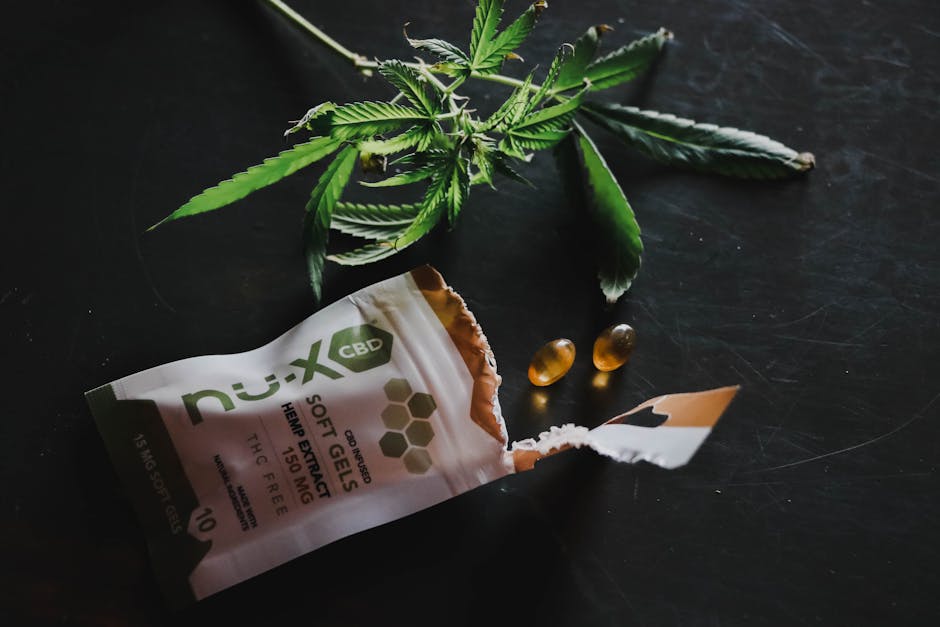
These restrictions aim to ensure medical cannabis is prescribed appropriately, recognising its complex risk-benefit profile and the fact that it remains a controlled substance. Only specialists who understand specific conditions, potential drug interactions, and legal obligations should issue prescriptions.
Class vs Schedule: Common Confusions Explained
Before November 2018, cannabis was widely considered an illegal drug with no medical prescription option in the UK. The changes since then often lead to misunderstandings—in particular between “Class” and “Schedule” classifications.
Term Definition Example: Cannabis Class Refers to the category of drugs under the Misuse of Drugs Act 1971 (MDA) that determines penalties for possession, supply, and production. Cannabis is a Class B drug, which means possession or supply is illegal except for authorised medical use. Schedule Classification under the Misuse of Drugs Regulations 2001 (MDR) that controls medical use, prescribing, and supply of controlled drugs. Since 2018, cannabis-based products for medicinal use have been moved to Schedule 2, meaning they can be prescribed with strict controls.Takeaway: Cannabis remaining a Class B drug under the 1971 Act means possession without prescription is illegal, but reclassification to Schedule 2 enables controlled medical prescribing.
What Changed in November 2018?
November 2018 marked a watershed moment: the Home Office reclassified cannabis-based products for medicinal use in humans (CBPMs) to Schedule 2 under the Misuse of Drugs Regulations 2001. This effectively legalised the prescription of medical cannabis—subject to strict licensing and regulatory oversight.
The change came after high-profile cases where children with severe epilepsy had no access to medicinal cannabis, sparking public outcry and political pressure. Importantly, this was not “legalisation” in the general sense—you could not simply buy or prescribe cannabis freely, nor was the drug decriminalised in the usual sense.
Under this reclassification:
- Only doctors on the GMC Specialist Register can prescribe medical cannabis products.
- Prescriptions must meet specialist criteria—usually for conditions such as chronic pain, multiple sclerosis spasticity, or severe childhood epilepsy.
- General Practitioners (GPs) cannot prescribe medical cannabis products as first-line prescribers.
- Pharmacies like Nationwide Pharmacies became involved in sourcing and dispensing these specialist prescriptions to patients.
Critically, the government recognised that cannabis remained a controlled drug under the 1971 Misuse of Drugs Act—thus possession or supply outside authorised medical routes remains illegal.
Takeaway: November 2018 enabled specialist prescribing of medical cannabis but did not remove cannabis’s controlled status.
Why Does Cannabis Remain Illegal Under the 1971 Misuse of Drugs Act?
It may seem contradictory that medical cannabis is legal to prescribe but cannabis remains illegal generally. The key is the dual legislative framework:
- Misuse of Drugs Act 1971 (MDA): Determines the classification of controlled substances as Class A, B, or C. Cannabis remains a Class B drug under this act.
- Misuse of Drugs Regulations 2001 (MDR): Establishes how controlled drugs can be prescribed and used medically, including which Schedule they fall under.
Even though medical cannabis products moved to Schedule 2 in 2018, cannabis itself did not lose its Class B status under the MDA. This means:
- It still carries significant criminal penalties for unauthorised possession or trafficking.
- Only prescribed and dispensed cannabis-based products conforming to MDR substance regulations are lawfully accessible.
This legislative separation maintains the UK’s strong anti-recreational cannabis possession stance while permitting tightly controlled medical use.
Takeaway: The 1971 Act still prohibits unauthorised cannabis possession despite specialist medical prescribing rights under separate regulations.
Specialist-Only Prescribing and Why NHS Access Is Limited
Since medical cannabis must be prescribed by a specialist doctor listed on the GMC Specialist Register, access via the NHS remains very limited. This approach reflects the cautious and evolving stance on cannabis’s therapeutic benefits balanced against concerns about safety, dependency, and diversion.
Barriers to NHS Medical Cannabis Access
- Few specialists with expertise: Not all conditions have specialists willing or able to prescribe cannabis products.
- Insufficient clinical evidence: The National Institute for Health and Care Excellence (NICE) has not broadly endorsed cannabis medicines due to limited high-quality data.
- Cost and commissioning hurdles: NHS funding for medical cannabis is inconsistent, with many Clinical Commissioning Groups (CCGs) refusing coverage.
- Clinician caution: Many specialists remain wary of prescribing controlled drugs with complex legal and clinical implications.
Therefore, most patients obtain access through private specialist consultation rather than NHS GP referrals. This is where companies like Nationwide Pharmacies play a role—providing dispensary services that supply medical cannabis following private specialist https://dlf-ne.org/what-international-treaties-affect-uk-cannabis-law/ prescriptions.
For patients, understanding medical cannabis eligibility typically starts with a specialist evaluation. Being on the GMC Specialist Register assures patients the prescriber understands both the clinical condition and cannabis prescription regulations.
Takeaway: Specialist prescribing ensures safety but limits NHS prescribing of medical cannabis, often pushing patients toward private routes.
Summary Table: Why the GMC Specialist Register Matters for Cannabis
Aspect Impact on Medical Cannabis GMC Specialist Register Only doctors on this register can prescribe medical cannabis, guaranteeing expert oversight. Class vs Schedule Cannabis is Class B (controlled and illegal to possess without prescription) but medical products are Schedule 2 (prescribable under license). November 2018 legal update Reclassified cannabis-based medicinal products allowing specialist-only prescription but not general legalisation. NHS Access Limited due to specialist-only prescribing, funding issues, and cautious guidance; many patients use private specialist clinics. Role of Pharmacies Pharmacies like Nationwide Pharmacies dispense medical cannabis on private prescriptions issued by specialists.Final Thoughts
Understanding the GMC Specialist Register is central to grasping the current state of medical cannabis in the UK. It’s not simply a question of “Is cannabis legal now?” but rather “Who can prescribe it—and under what conditions?”

The combined weight of longstanding drug legislation, specialist prescribing rules, and cautious NHS commissioning ensures medical cannabis remains a carefully controlled treatment option requiring specific expertise and legal knowledge.
For patients interested in exploring medical cannabis eligibility, the pathway starts with specialist assessment by a GMC-registered https://bizzmarkblog.com/is-cannabis-decriminalised-anywhere-in-the-uk/ specialist doctor. Pharmacies such as Nationwide Pharmacies then play a supporting role in supplying authorised products.
In short, the GMC Specialist Register is a vital gatekeeper ensuring that medical cannabis prescribing is safe, expert-led, and legally compliant—keeping both patients and providers protected in a complex regulatory landscape.
```